
Advancing Energy Efficiency and Sustainable Cooling in Indonesia with AQUENE™
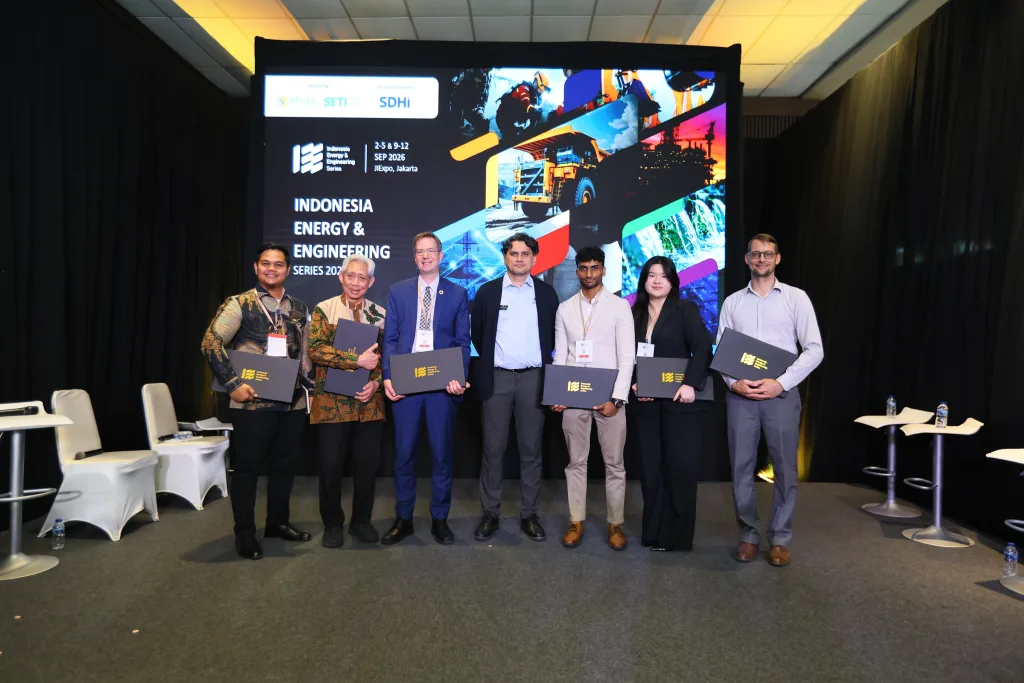
Sustainable Cooling in Indonesia: Blue Snow Presents AQUENE™ at IEE Series 2026
Sustainable cooling in Indonesia is becoming increasingly important as buildings, data centres and industrial facilities seek practical ways to improve energy efficiency while meeting growing cooling demand.
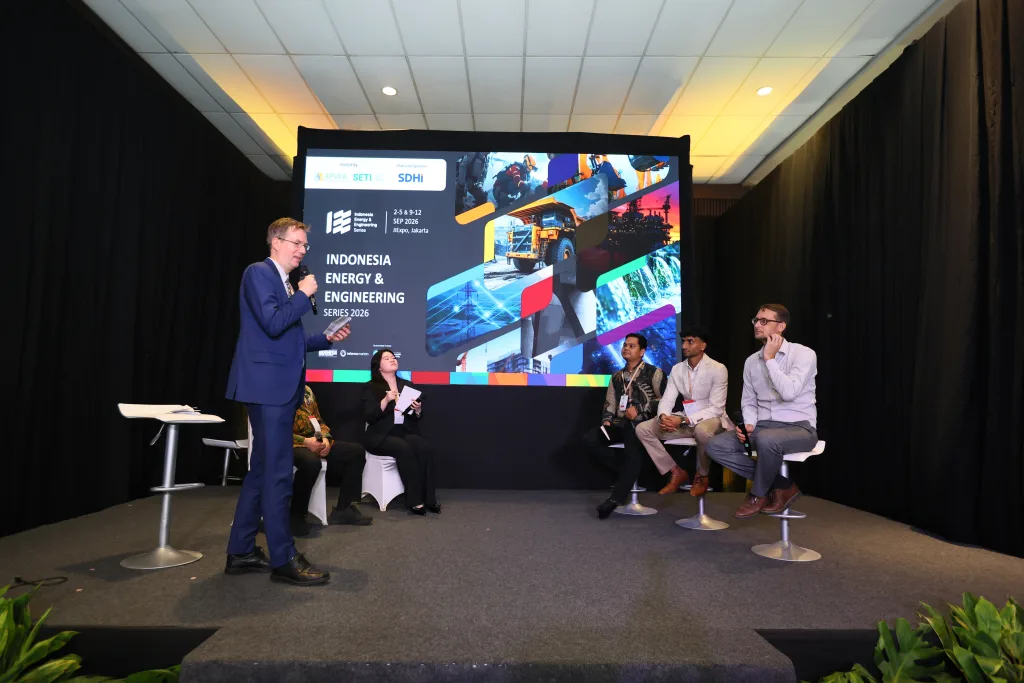
On 10 September 2026, Blue Snow Frontier Technologies participated in the Indonesia Energy & Engineering Series 2026 at the Jakarta International Expo (JIExpo), joining industry professionals for the session “Accelerating Energy Efficiency and Sustainable Cooling in Indonesia’s Buildings.”
The session brought together professionals from the energy, engineering and building sectors to exchange perspectives on how Indonesia can advance building energy efficiency, sustainable cooling technologies and more efficient HVAC systems.
Blue Snow Frontier Technologies contributed to the discussion by introducing AQUENE™, our graphene-based heat transfer fluid developed for closed-loop cooling systems.
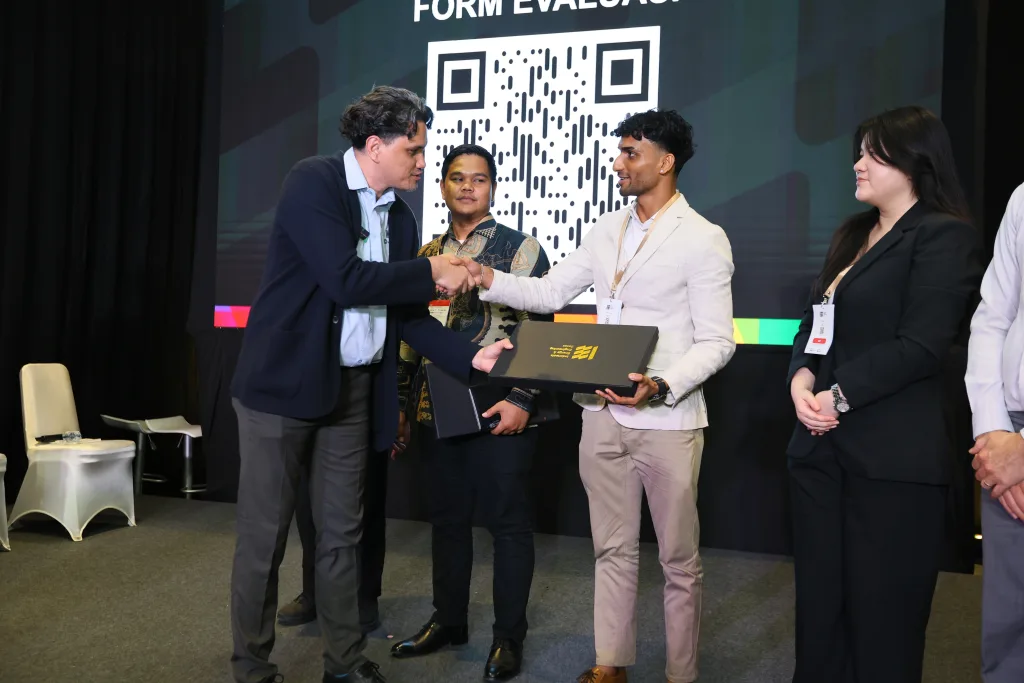
Advancing Sustainable Cooling in Indonesia
Cooling is an essential part of modern buildings and infrastructure, particularly in warm and humid climates. Commercial buildings, hospitals, data centres, industrial facilities and district cooling networks all rely heavily on cooling systems to maintain appropriate operating conditions.
As cooling demand grows, improving the efficiency of existing HVAC and chilled-water systems can play an important role in reducing overall building energy consumption.
This creates an opportunity for technologies that improve the performance of existing cooling infrastructure without necessarily requiring complete replacement of major equipment.
During the event, Blue Snow highlighted how advanced heat transfer technology can complement traditional energy-efficiency measures such as chiller optimisation, pump control, cooling tower optimisation, system commissioning and energy monitoring.
Introducing AQUENE™ Graphene Heat Transfer Fluid
At the centre of Blue Snow’s presentation was AQUENE™, a graphene-based heat transfer fluid developed to improve heat transfer performance within closed-loop water systems.
In a conventional chilled-water system, water acts as the primary medium for transporting heat between the building load and the central cooling plant.
AQUENE™ is designed to enhance the thermal characteristics of this heat-transfer medium, supporting more effective heat exchange within the cooling system.
Rather than replacing the existing chiller plant, AQUENE™ can be integrated into suitable existing chilled-water systems as part of a broader HVAC energy-efficiency strategy.
Applications can include:
- Central chilled-water systems
- Commercial buildings
- Data centres
- District cooling systems
- Hospitals and healthcare facilities
- Industrial cooling systems
- Other closed-loop cooling applications
This makes graphene heat transfer technology particularly relevant for organisations exploring ways to improve the performance of existing cooling assets.
How AQUENE™ Supports Cooling-System Efficiency
Improving cooling-system efficiency requires more than simply installing high-efficiency equipment.
The performance of the entire system — including chillers, pumps, cooling towers, heat exchangers, controls and the heat-transfer fluid itself — affects overall energy consumption.
AQUENE™ focuses on the heat-transfer side of the system.
By enhancing heat-transfer performance within the chilled-water loop, the technology is designed to help the cooling system transfer thermal energy more effectively.
The potential benefits of this approach can include:
- Improved heat-transfer performance
- Better utilisation of existing cooling equipment
- Opportunities for reduced cooling energy consumption
- Improved chilled-water system performance
- Support for building energy-efficiency initiatives
- Reduced need for major mechanical-system replacement in suitable applications
Actual performance will depend on the operating characteristics of each cooling system, which is why system assessment and performance measurement remain important parts of any deployment.
Integrating AQUENE™ into Existing Chilled-Water Systems
One of the key topics presented during the Indonesia Energy & Engineering Series was how AQUENE™ can be incorporated into a central cooling system.
In a typical chilled-water plant, chilled water circulates between the chiller and the building’s cooling equipment, such as air-handling units and other heat exchangers.
AQUENE™ is introduced into this closed-loop water circuit to enhance the heat-transfer properties of the circulating fluid.
This approach allows building operators to explore cooling-system optimisation while continuing to utilise much of their existing mechanical infrastructure.
For existing facilities, this can be particularly relevant because complete replacement of chillers and associated equipment can require substantial capital investment and operational disruption.
Technologies that enhance existing infrastructure can therefore form part of a broader pathway towards more sustainable cooling systems.
Energy Efficiency Beyond the Chiller
An important theme of the event was that sustainable cooling should be considered from a whole-system perspective.
Chiller efficiency remains important, but total plant performance also depends on:
- Chilled-water pumps
- Condenser-water pumps
- Cooling towers
- Heat exchangers
- Building cooling loads
- Temperature differentials
- Flow rates
- Control strategies
- System water quality
- Heat-transfer performance
Understanding how these components interact allows building owners and engineers to identify opportunities for improving total cooling-system efficiency rather than focusing on individual pieces of equipment.
AQUENE™ adds another dimension to this approach by focusing on the thermal performance of the circulating heat-transfer fluid.
Supporting Building Energy Efficiency in Indonesia
The discussion at IEE Series 2026 also reflected a wider challenge facing the built environment: how to meet growing cooling requirements while limiting unnecessary energy consumption.
Indonesia’s expanding commercial, industrial and digital infrastructure creates significant demand for reliable cooling.
At the same time, developers, facility operators and organisations are increasingly exploring energy efficiency, lower-carbon building strategies and sustainable cooling technologies.
Technologies such as high-efficiency chillers, intelligent controls, energy monitoring, building management systems and advanced heat-transfer fluids can work together as part of this transition.
For Blue Snow Frontier Technologies, sustainable cooling is therefore not limited to one technology. It requires understanding the entire cooling system and identifying where measurable improvements can be achieved.
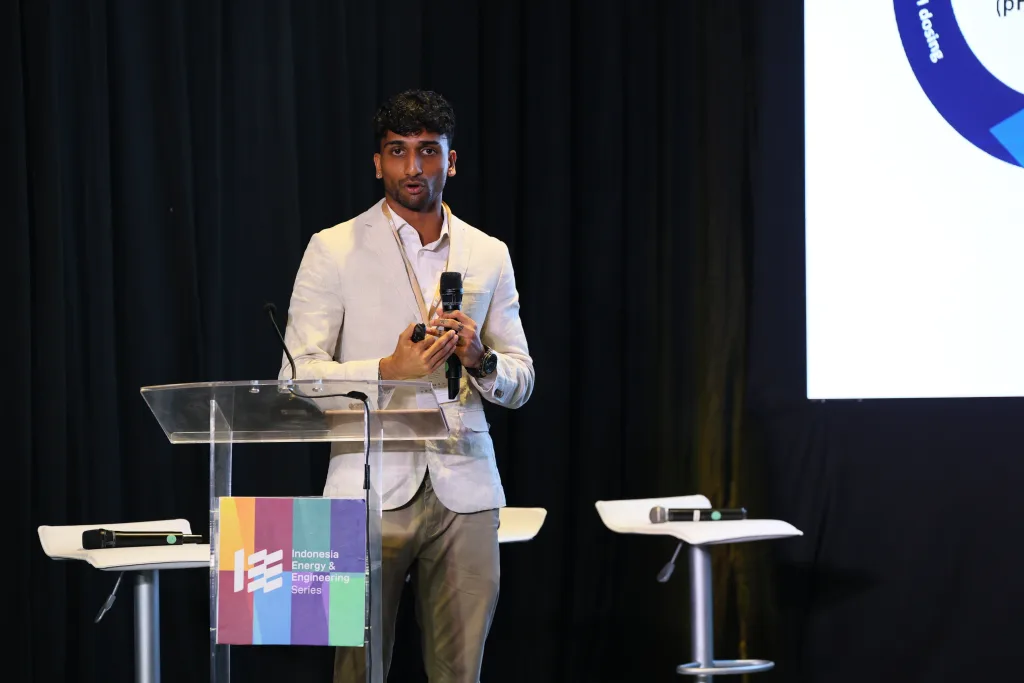
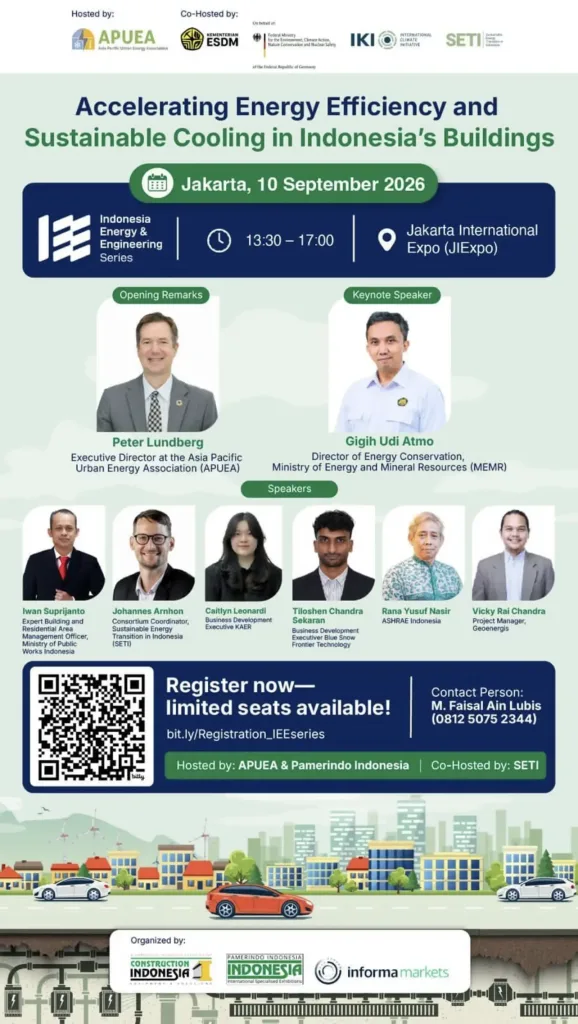
Connecting with Energy and Engineering Professionals
The Indonesia Energy & Engineering Series 2026 provided an important platform for Blue Snow to connect with engineers, consultants, technology providers, energy professionals and other stakeholders working to improve building performance.
The session on Accelerating Energy Efficiency and Sustainable Cooling in Indonesia’s Buildings encouraged discussion around practical technologies and strategies that can help improve cooling efficiency across existing and future developments.
These conversations are particularly valuable because improving building energy performance requires collaboration between multiple stakeholders — including building owners, consultants, mechanical engineers, technology providers and facility-management teams.
Measuring Performance Matters
For any energy-efficiency technology, measurable performance is important.
Before implementing AQUENE™, the characteristics of the existing cooling plant can be evaluated to establish operating conditions and identify suitable performance indicators.
These can include parameters such as:
- Chiller electrical consumption
- Cooling load
- Chilled-water supply and return temperatures
- Water flow rate
- Pump performance
- Overall plant efficiency
Performance before and after implementation can then be compared using an appropriate measurement and verification methodology.
This allows building operators to evaluate improvements based on actual operational data rather than relying only on theoretical performance.
The Future of Sustainable Cooling
As cooling demand continues to increase across Southeast Asia, improving the efficiency of existing cooling infrastructure will remain an important area of focus.
There is unlikely to be a single technology that addresses every cooling challenge.
Instead, the future of sustainable cooling in Indonesia will involve combining efficient equipment, improved controls, better system design, data-driven optimisation and new technologies that enhance heat transfer and system performance.
AQUENE™ represents one of these approaches.
By applying graphene-based heat transfer technology to existing chilled-water systems, Blue Snow Frontier Technologies is exploring a practical pathway towards more energy-efficient cooling operations across buildings, data centres, district cooling and industrial applications.
Moving Towards More Efficient Cooling
Our participation in the Indonesia Energy & Engineering Series 2026 provided an opportunity to share AQUENE™ with the wider energy and engineering community while learning from other organisations working towards the same objective: more efficient and sustainable cooling systems.
Blue Snow Frontier Technologies will continue working with building owners, engineers and industry partners to evaluate cooling systems, identify efficiency opportunities and demonstrate the potential of advanced heat-transfer technology in real-world applications.
Interested in learning how AQUENE™ could be applied to your chilled-water or central cooling system? Contact Blue Snow Frontier Technologies to discuss your cooling requirements and potential system assessment.